

How to Know If It’s Time to Replace Your Water Heater, Not Just Repair It
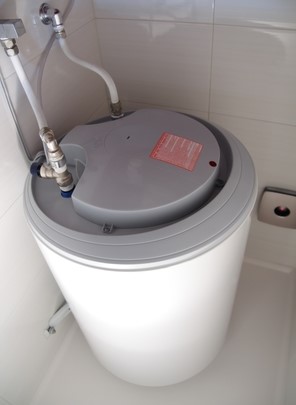
Your water heater works quietly in the background until it doesn’t. When the water turns lukewarm, the tank starts rumbling, or you notice a small puddle, the big question hits: repair or replace? This guide explains the signs, the typical lifespan, and real-world factors in Birmingham’s neighborhoods from Hoover and Homewood to Trussville and Bessemer. If you already suspect the unit is on its last legs, explore our water heater services to see how The Master’s Plumbing Company can help.
We wrote this for homeowners who want a clear, no-nonsense path to a confident decision. You’ll learn what symptoms point to repairs, what red flags point to replacement, and how local water quality, home size, and seasonal temperature swings shape the choice. For broader plumbing needs beyond water heaters, browse our plumbing services to see how we keep your whole system in top shape.
What Is the Typical Water Heater Lifespan?
Most tank water heaters last about 8 to 12 years. Tankless models often run longer, commonly 15 years or more, when properly maintained. Age alone doesn’t decide everything, but it sets the context. A 10-year-old tank that starts acting up is telling you something.
Think about use patterns too. Busy households in places like Mountain Brook or Vestavia Hills can push a system harder, especially during holiday hosting or when cold snaps stretch recovery times. High demand stresses parts and exposes weak spots faster.
Clear Signs It’s Time to Replace
Some problems are end-of-life signals. Watch for these cues that point to replacement instead of another repair visit:
- A leaking tank from the body of the water heater. Internal corrosion has likely opened the metal. Patching won’t hold.
- Rust-colored hot water that keeps coming back. That suggests internal tank corrosion, which cannot be reversed.
- Frequent breakdowns within a short period. Stacking repairs can outpace the value of a new unit.
- Persistent rumbling, banging, or rattling even after professional service. Sediment can harden and damage the tank from within.
- Inconsistent temperatures and long reheat times in winter. Age and wear show up when demand is highest.
If two or more of these happen on a unit near or past its expected lifespan, you’ll usually save time and stress by replacing it. Upgrading also lets you pick the right size and recovery rate for your family’s habits.
Problems That Often Point to Repair
Not every issue means the unit is done. In many Birmingham homes, certain symptoms are fixable and may not require a full replacement if the heater is under its typical lifespan:
- Thermostat or heating element issues on electric units
- Ignition or pilot problems on gas units
- Loose connections or a faulty valve
- Minor component failures that haven’t repeated
Repairs make the most sense when the unit is relatively young, parts are available, and you haven’t had to call for service more than once or twice recently. A solid, early-life repair can restore performance for years.
Why Birmingham Homes Face Unique Wear
Mineral content varies across Jefferson and Shelby Counties. Many homes around Hoover, Gardendale, and Pelham see mineral-heavy water that can speed up sediment buildup inside tanks. Sediment insulates heat away from water, wastes energy, and aggravates noise. Left alone, it can lead to overheating and tank damage.
Seasonal cold snaps in Central Alabama also increase strain. Colder inlet water takes longer to heat, and families run more hot water for showers and laundry. Systems that were borderline in the fall can start to struggle by January.
Capacity, Recovery, And Comfort
Replacement is a chance to get the capacity right. If your 40-gallon tank leaves the last person with a cold shower, it may be undersized for your household. Recovery rate matters too. Homes with teens, frequent guests, or large soaking tubs around Homewood or Alabaster often benefit from a unit with faster recovery or a well-sized tankless system.
When you size correctly, you cut wait times, reduce hot-cold swings, and protect the system from being overworked. That steadier operation usually means fewer surprises and longer service life.
Energy Use And Utility Bills
Aging heaters run less efficiently. Insulation flattens, burners or elements work harder, and sediment forces longer run times. If your utility bills climbed while your routines stayed the same, the heater may be the reason. Newer units can deliver steady hot water with less energy, especially when matched to your family’s use pattern.
Age + Symptoms: A Simple Decision Framework
Use this simple approach to decide fast and feel confident:
Under 8 years old and a one-off issue like a thermostat or ignition fault? Repair is often wise. Keep records and note if the same part fails again soon.
Around 8–12 years with rust in hot water, repeat service calls, or a noisy tank? Replacement begins to make more sense, especially before peak winter use.
Over 12 years with any leak, corrosion, or constant temperature swings? Replacement is usually the safest move. Pair it with proper sizing so you don’t repeat past frustrations.
Safety Matters You Shouldn’t Ignore
Hot water and pressurized tanks demand respect. Any moisture around the base of the tank should be checked quickly to rule out a failing tank. Gas units also require proper venting and combustion air. If you smell gas or see scorch marks, stop using the heater and call a professional immediately.
Safety devices like the temperature and pressure relief valve protect your home. If your unit is old and these parts haven’t been evaluated in years, ask for a professional inspection during your next service visit.
What If You’re Not Ready To Replace?
Sometimes timing is tight. If your unit is repairable and still under its typical lifespan, a targeted fix can buy time. Keep an eye on repeat problems, especially after big weekends, holiday stays, or Alabama cold snaps that expose weak heaters. If you want to compare options while you plan, visit our Birmingham plumber blog for more homeowner insights and maintenance guidance.
Choosing The Right Replacement For Your Home
When replacement is the smarter move, match the unit to your home and habits. Consider fuel type, tank size or tankless flow rate, and placement in the home. A garage unit near Pelham may need winter-aware settings, while a closet unit in a Mountain Brook townhome might have space constraints and airflow needs.
Upgrading also lets you improve comfort features: faster recovery for busy mornings, better temperature control, and options that reduce noise. It’s not only about avoiding breakdowns. It’s about making daily life smoother.
How Professional Assessment Helps
A licensed plumber can pressure-test, check combustion, measure temperature rise, and evaluate venting. That data turns guesswork into a clear recommendation. During a visit, our technician will review age, symptoms, demand patterns, and any safety concerns to help you pick a reliable path forward.
If the unit is near the end, we’ll size a replacement that supports your family’s schedule and your home’s layout. If repair makes sense, we’ll explain the part, the reason it failed, and what to watch for next.
Putting It All Together For Birmingham, AL Homeowners
Here’s a practical way to decide today:
If the tank is leaking, the water runs rusty, or you’ve had multiple repair visits on a 10-year-old unit, choose replacement. If it’s younger and the issue is isolated, a repair can be a smart bridge. When you want to jump right to Birmingham’s first-rate plumber for water heater replacement, our team at The Master’s Plumbing Company is ready to help.
Next Steps
Take a quick inventory of age, symptoms, and comfort needs. Think about how your family uses hot water on busy mornings or after ballgames and gym nights. When you’re ready to act, reviewing our water heater services will help you compare repair and replacement in one place.
Talk To A Local Plumber You Can Trust
Hot water should be dependable, not a daily question mark. If you want a clear plan that fits your home, schedule with The Master’s Plumbing Company. Call us at 205-410-0652, and we’ll get you comfortable again.
Ready when you are: one visit to assess, a straightforward recommendation, and work scheduled around your day. For fast, local help in Birmingham and nearby communities, reach out now and let’s make cold showers a thing of the past.